" From a 'Manufacturing Base' to a 'Community of Shared Destiny' after 32 Years of Relations" … Ambassador Vu Ho’s Vision for the Future of Korea-Vietnam Economic Security
H.E. Vu Ho defines the KR-VN ties as a "strategic buffer"for co-prosperity. He calls for economic security synergy by linking Vietnam’s minerals with Korea’s tech, urging SMEs to integrate locally. He envisions a resilient ecosystem built on trust to navigate global shifts.

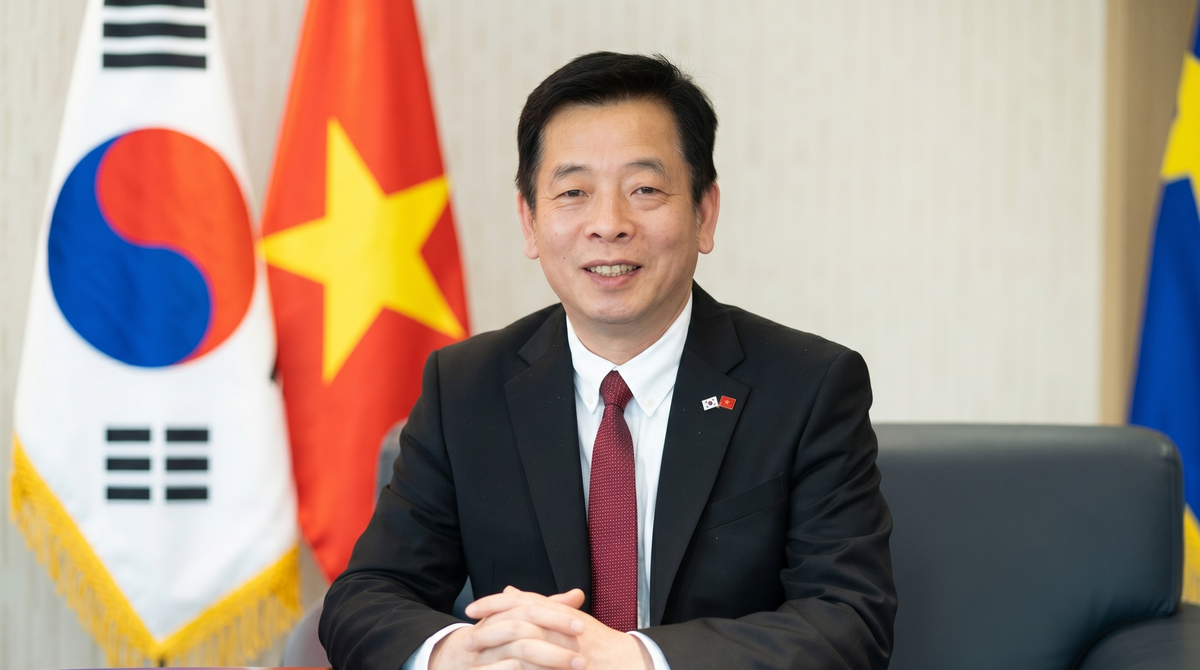
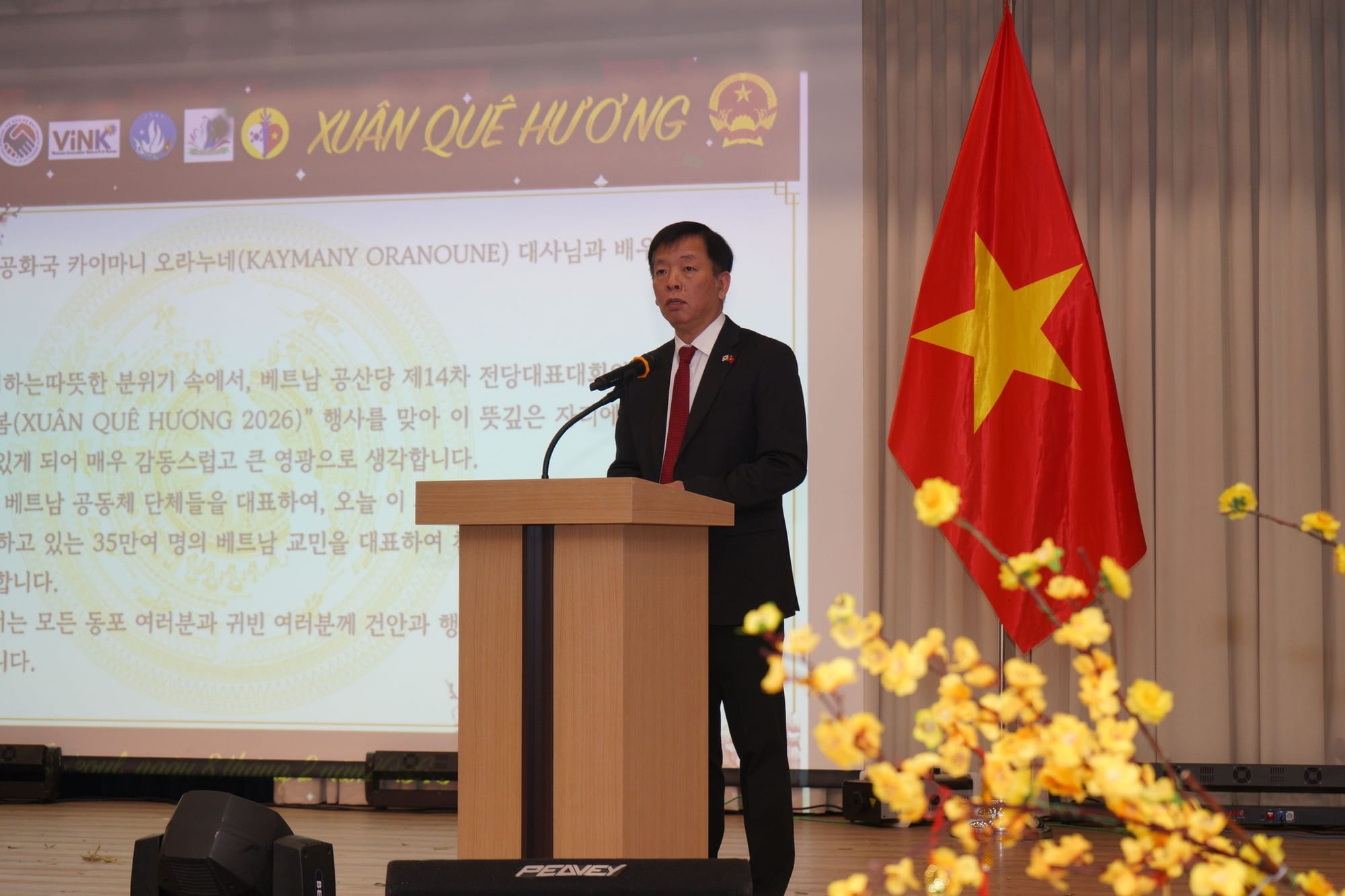
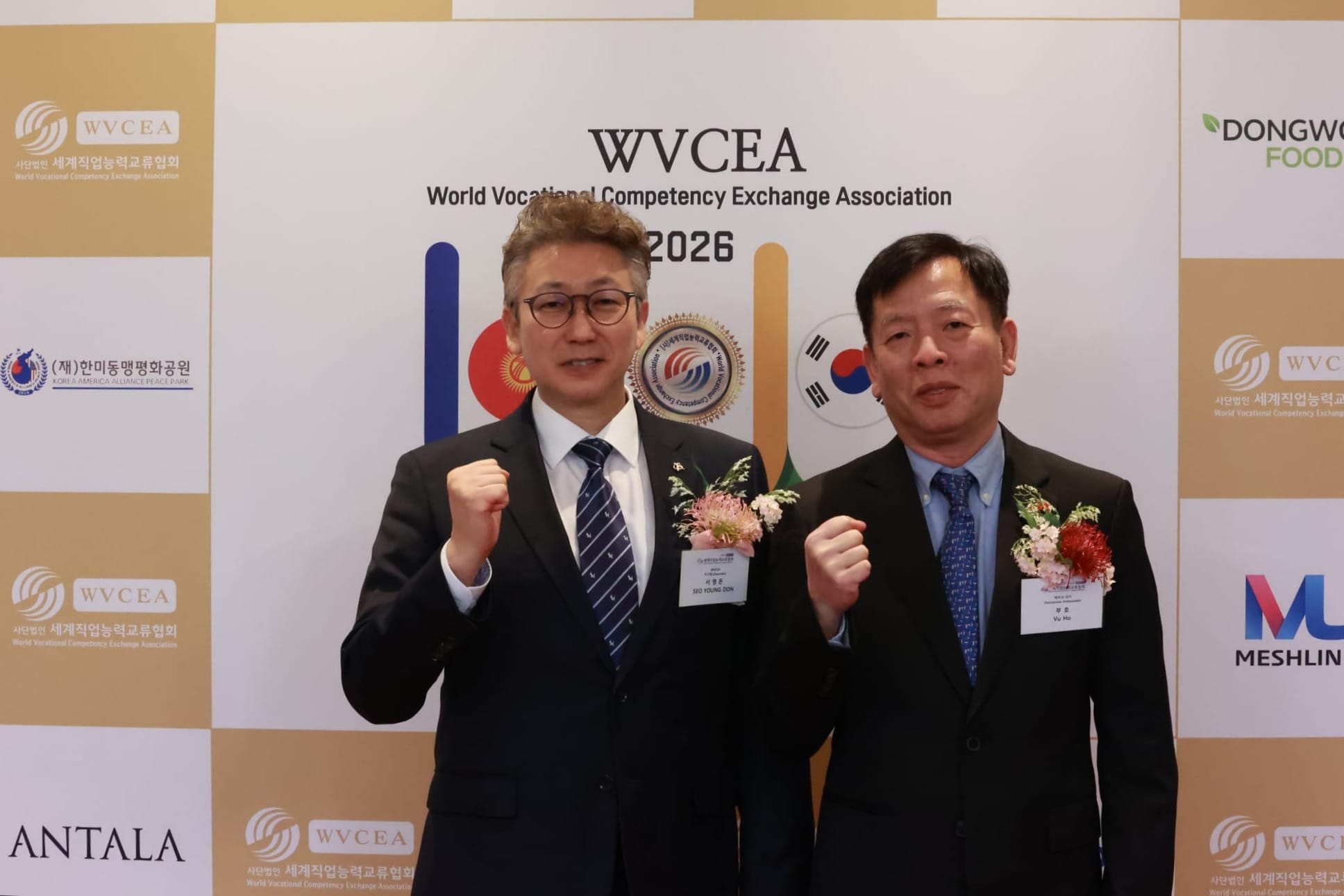
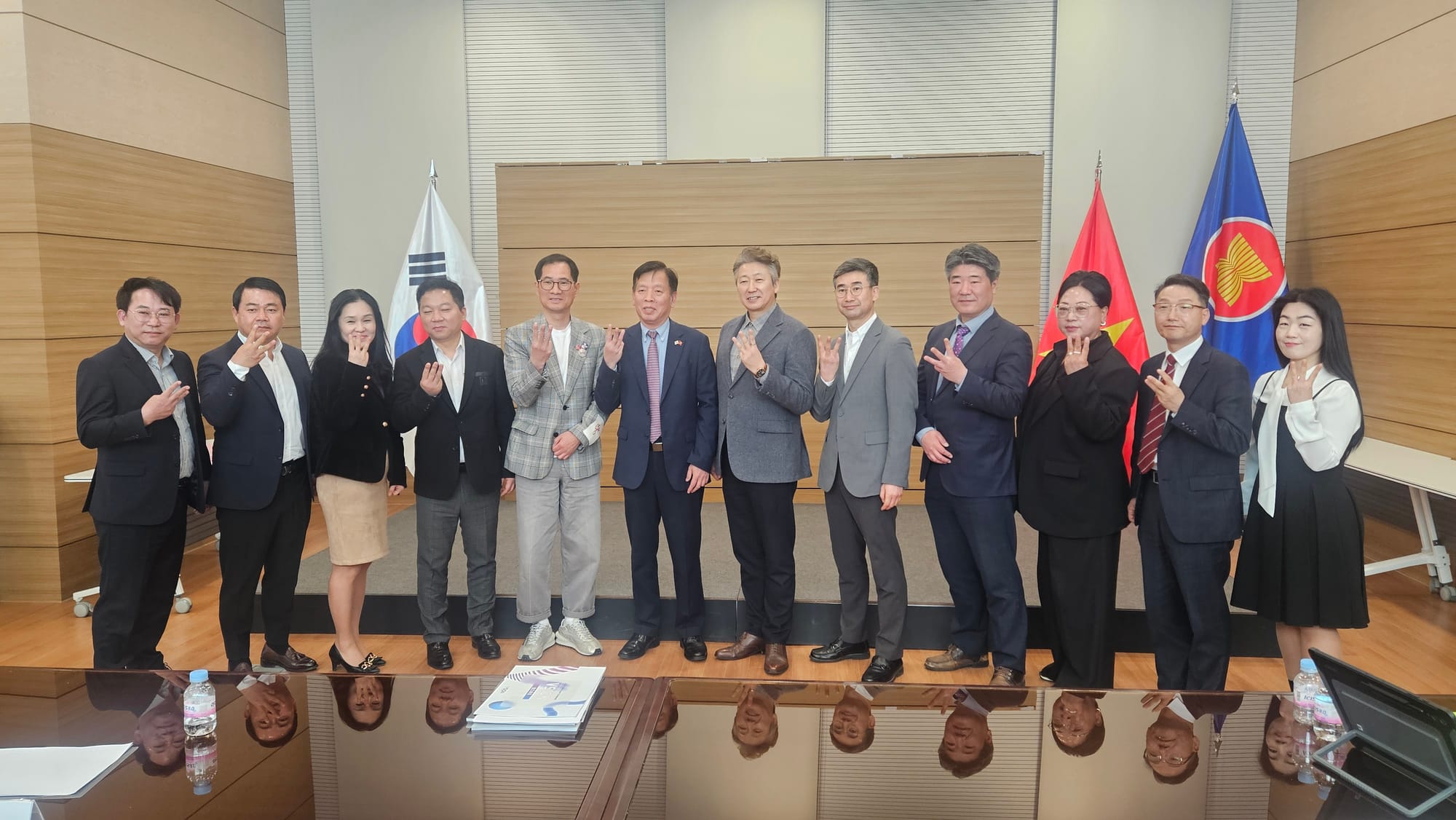
In 1992, the late former Deputy Prime Minister Vu Khoan sowed the seeds of diplomatic relations between Korea and Vietnam. Thirty-two years later, those seeds have grown into a vast forest through the efforts of his son, Ambassador Vu Ho. Since taking office, Ambassador Vu Ho has demonstrated the essence of "on-site economic diplomacy," visiting ginseng farms in Nonsan, rural households in Hongcheon, and industrial sites in Gyeongsangbuk-do rather than staying confined to his office in Seoul.
In the midst of a shifting global supply chain and rising protectionism, he emphasizes that Korea and Vietnam must go beyond being simple business partners to become a "strategic buffer zone" that complements each other's needs. We asked Ambassador Vu Ho about the future vision for Vietnam and practical clues for cooperation that South Korean CEOs are most curious about
Q1. The reorganization of global supply chains is accelerating. When Vietnam’s abundant core minerals (such as rare earths) are combined with Korea’s advanced manufacturing technology, what do you see as the core of the "economic security synergy" between the two nations?
At its core, the “economic security synergy” between Viet Nam and Korea lies in complementarity with strategic depth. Viet Nam possesses not only a favorable geoeconomic position and a resilient manufacturing base, but also abundant critical minerals, including rare earth elements, which are increasingly vital for high-tech industries. Korea, on the other hand, has world-class strengths in advanced manufacturing, materials science, and industrial ecosystems.
Synergy emerges when these strengths are integrated into a trusted, diversified, and resilient supply chain architecture. In practical terms, this means moving upstream from assembly to materials processing and component manufacturing. The two sides also should focus on building secure supply chains for strategic industries such as semiconductors, batteries, and green technologies. Importantly, this cooperation is not about exclusivity or bloc-building. It is about creating a reliable and rules-based economic partnership that enhances resilience for both countries while contributing to regional stability.
Q2. You have previously emphasized a "balanced relationship," noting that 90% of Korean companies in Vietnam still use Korean-made parts. What kind of competitiveness must Korean small and medium-sized enterprises (SMEs) develop to participate more deeply in the local Vietnamese supply chain?
Frankly speaking, the current model—where approximately 90% of inputs are still imported from Korea—is not sustainable if deeper integration is the goal. Korean SMEs need to strengthen several core areas of competitiveness, namely localized cost efficiency, technology adaptation, not just transfer and last, the partnership capability, this is perhaps the most critical. Vietnamese firms should not be viewed merely as subcontractors, but as co-developers and long-term partners.
In the next phase, the most competitive Korean SMEs will be those that can combine Korean precision and standards with Viet Nam’s dynamic industrial ecosystem.
Q3. You have put significant effort into collaborating with local governments, such as choosing Nonsan as your first destination after your appointment. How can projects like the "K-Vietnam Valley" or sister-city agreements provide practical business opportunities for entrepreneurs?
Local-level cooperation is where strategy becomes reality. Projects such as the “K-Vietnam Valley” or sister-city partnerships are not symbolic—they are platforms for economic clustering and practical business engagement. They can generate tangible opportunities in serving as industrial clustering whereas Korean investors, Vietnamese suppliers, logistics providers, and local authorities in a single ecosystem reduces transaction costs and accelerates supply chain integration.
On another note, these projects can facilitate the policy at the local level since local governments in Viet Nam are increasingly proactive in providing tailored incentives, administrative support, and infrastructure solutions. Last but not least, these are very important gates for market entry and scaling. In fact, for SMEs and startups, entering Viet Nam through a localized partnership model significantly lowers risks and improves scalability.
In essence, these initiatives transform bilateral relations from national-level agreements into business-ready ecosystems.
Q4. Vietnam is transitioning from a low-wage manufacturing hub to high-value-added industries such as IT, AI, and healthcare. What are the "next-generation growth engines" in Vietnam that Korean startups and tech companies should pay attention to?
Viet Nam is no longer just a manufacturing hub—it is emerging as a multi-layered innovation economy. With a young, tech-savvy population and rapid digital adoption, Viet Nam is one of the fastest-growing digital markets in Southeast Asia. The key next-generation growth engines include digital economy and AI, semiconductors and high-tech manufacturing. Viet Nam is positioning itself as a key node in global semiconductor supply chains. That would comprise green energy and energy transition, renewable energy, smart grids, and green hydrogen are areas with strong policy support.
All in all, for Korean startups, Viet Nam is not just a market—it is a testing ground and scaling platform for regional expansion.
Q5. Regarding the Employment Permit System (EPS), you have been vocal about improving the dispatch system for skilled Vietnamese workers. Is there a specific model where Korea’s advanced vocational training systems could be implemented locally in Vietnam to create a win-win scenario?
Yes, and this is a critical area for long-term cooperation. A promising model is the “localized dual training system”, combining: Korean standards in vocational education, training centers established in Viet Nam and direct participation of Korean enterprises in curriculum design and implementation. This would create a closed-loop system: training → certification → employment → mobility. Such a model ensures that Vietnamese workers are job-ready for Korean industries, whether in Viet Nam or Korea, while also addressing labor shortages in key sectors. This is a clear win-win scenario.
Q6. Using Phở as an analogy, you mentioned that "culture is essential for deepening political and economic ties." How do you believe historical and cultural resonance—such as the restoration of the Ly Dynasty relics—affects the building of business trust between the two countries?
Economic trust does not exist in isolation is built on cultural understanding and historical connection. Initiatives such as the restoration of relics related to the Ly Dynasty are not merely cultural projects; they reinforce a sense of shared history and mutual respect.
When businesses operate in an environment where cultural familiarity is strong, social trust is high, people-to-people connections are deep transaction costs will decrease, and long-term commitments become more viable. In that sense, culture is not “soft”—it is a strategic asset that underpins sustainable economic cooperation.
Q7. External uncertainties, such as new tariff policies from the U.S., are increasing. As a central nation in ASEAN, how can Vietnam work with Korea to jointly navigate these geopolitical waves?
In an era of rising protectionism and geopolitical fragmentation, the key is strategic balance and diversification. As an important member of ASEAN, Viet Nam promotes open regionalism, rules-based trade and inclusive supply chains. Therefor cooperation with Korea can focus on diversifying supply chains to reduce overdependence, strengthening economic resilience through technology and innovation and coordinating positions in regional and global forums.
The objective is not to choose sides, but to shape a stable and predictable economic environment.
Q8. Lastly, what words of encouragement or advice would you like to share with South Korean CEOs who are working tirelessly, viewing Vietnam as their second home market and vital partner?
Viet Nam is no longer just a destination—it is a partner in growth and innovation. Those who succeed in Viet Nam will be those who think long-term, localize deeply and invest in people and partnerships
Viet Nam welcomes Korean businesses not only as investors, but as co-creators of shared prosperity.
The future of our partnership will not be defined by transactions, but by trust, integration, and shared vision.